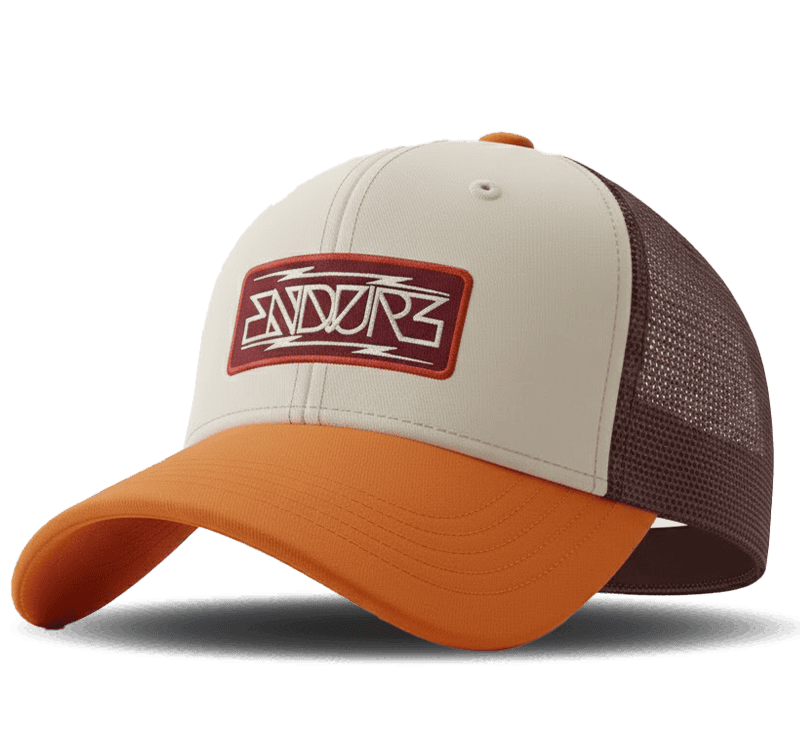
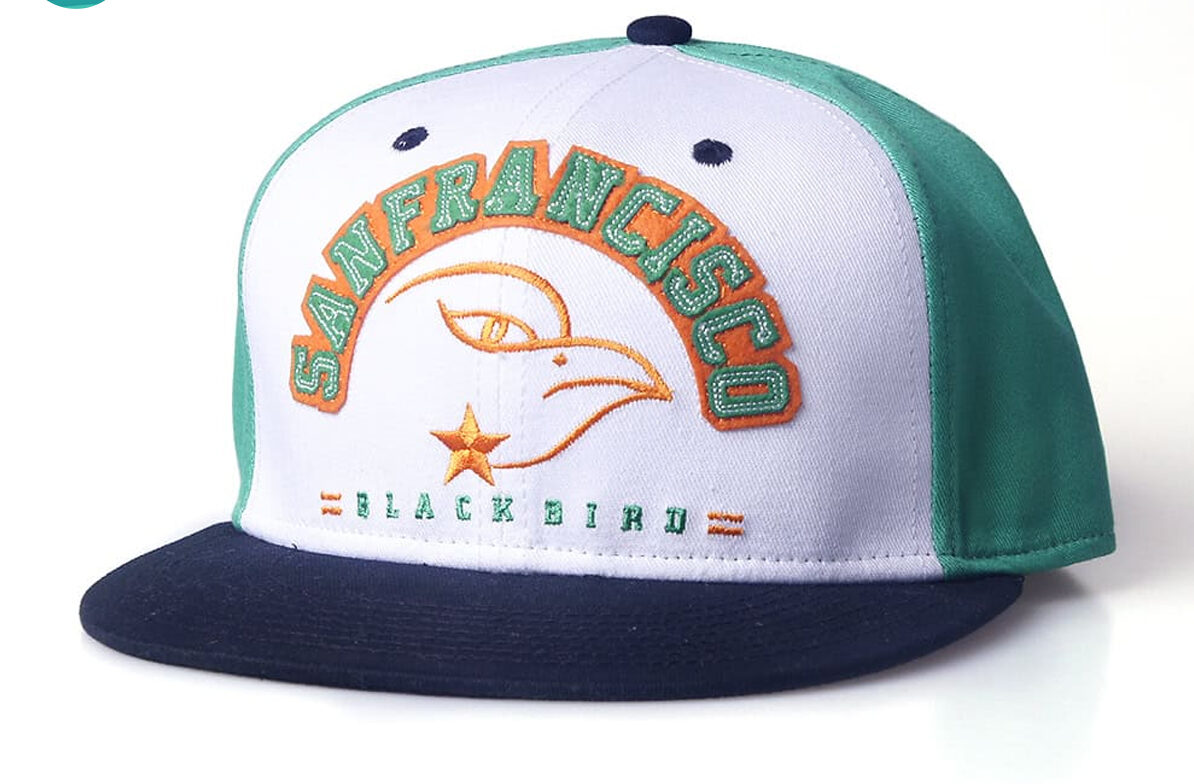
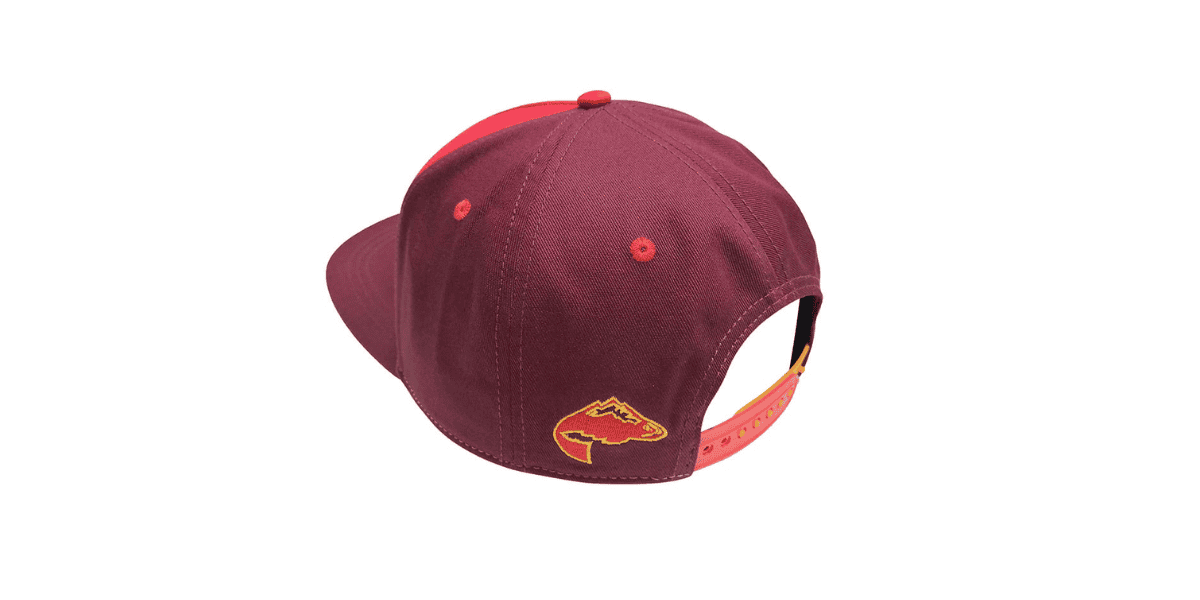
You’re not just picking a hat.
You’re choosing how your brand shows up—on people, in public, in photos you didn’t plan for.
That’s the shift in 2026.
Custom hats aren’t throwaway merch anymore. They’re walking billboards. Identity pieces. Sometimes—your first impression.
So the question isn’t “Which hat looks good?”
It’s “Which hat represents us right?”
Let’s break it down.
Before fabrics. Before styles. Pause.
Why are you creating these hats?
Each use-case changes everything.
For example—
A startup handing out branded hats at an event needs something bold and visible.
A restaurant? They need comfort, durability, something staff can wear all day without hating it.
Different intent. Different hats.
Skip this step—and you’ll pick wrong. Simple.
Not all hats speak the same language.
Some feel young. Some feel corporate. Some scream streetwear.
Here’s a quick breakdown:
Now think about your audience.
Would they actually wear it?
Not once—for a photo. But regularly.
That’s the difference between wasted spend and organic marketing.
This is where most brands mess up.
They just… place the logo. Center. Done.
But in reality, logo hats are about visibility and balance.
Ask yourself:
A finance company might go minimal. Clean embroidery.
A streetwear brand? Oversized, loud, impossible to ignore.
Same product. Completely different execution.
And yes—it changes how people perceive your brand.
Here’s the truth.
People judge your brand based on how the hat feels in their hand. Not your website. Not your ad.
Cheap material? Your brand feels cheap. Instantly.
So what should you look for?
If you’re investing in custom hats, don’t cut corners here.
Because people won’t say it—but they’ll notice.
2026 is not about basic prints anymore.
Brands are getting smarter. More detailed.
Think beyond just a logo:
This is where branded hats become memorable.
Anyone can print a logo.
Very few create something people actually want to wear again.
You might be tempted to go all-in.
Big order. Lower cost per unit. Sounds good.
But hold on.
If you’re testing a design—start small.
If you already know it works—then scale.
Many brands regret ordering bulk hats that just sit in storage. Dead inventory.
Instead:
Smart brands move in phases. Not guesses.
Even the best idea fails with the wrong manufacturer.
Look for:
And most importantly—communication.
If they don’t understand your vision early, they won’t magically get it later.
Choosing the right custom hats isn’t about trends.
It’s about alignment.
Your audience. Your message. Your brand identity—all stitched into one product.
Because when done right, these aren’t just hats.
They’re worn. Shared. Noticed.
Sometimes even remembered longer than your ads.And in 2026—that kind of branding?
Hard to ignore.